
The words that stopped me blaming myself
Last week someone posted in a PDA support group I’m part of. They were up at their child’s school every day, trying to get them in, knowing they probably wouldn’t go in, and probably wouldn’t stay if they did. Reading their post, I could feel the doubt behind it. That place where you second-guess everything, feel the weight of judging eyes on you at the gate, and quietly wonder whether you’re getting it all wrong.
I know that place well, because I was there for a long time.
When my child was in mainstream, “it’s separation anxiety” was the explanation I heard most. It was usually said gently, with a sympathetic smile. But what it felt like was blame. Like I was the problem. Like I’d made my child too dependent on me, coddled them, and if I’d done it differently they’d be “fine”. Let’s be honest, that hurts. It shames us. It has us comparing ourselves to other parents and feeling like we’ve failed.
And I’d go home carrying all of that, wondering what I was doing wrong.
Then I came across a phrase that changed everything for me. I can’t remember exactly where I first read it. It gave me the words I’d been trying to find for so long, and I ended up using them in my child’s EHCP.
What looks to the outside world like separation anxiety, rooted in emotional attachment, is likely to be something else entirely for an autistic child. For an autistic child, the parent or main caregiver becomes an auxiliary aid. In school, that would be a 1:1 support worker. And for an autistic person, the auxiliary aid usually isn’t a thing. It’s a human being. Someone who helps with communication to and from the child, much like an interpreter does. To do that well, you have to know them very well indeed.
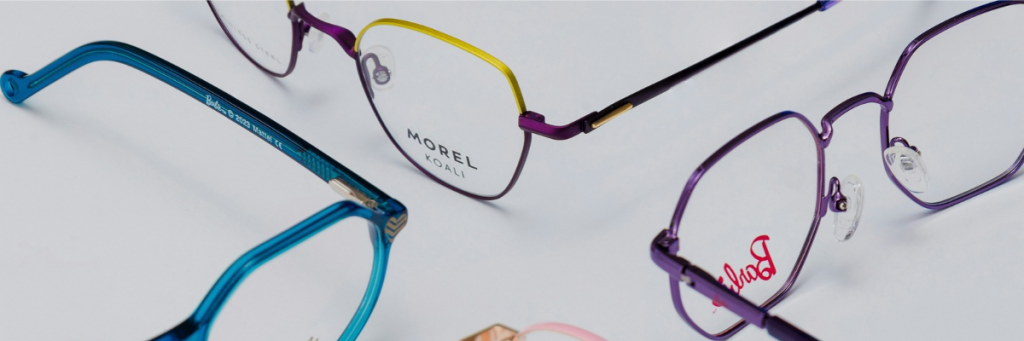
Think about it like this. You wouldn’t send a visually impaired child to school without their glasses. Nobody would call that over-dependence, or suggest they just need to get used to managing without them. But for an autistic child, the glasses aren’t glasses. They’re a person. And very often, that person is you.
Autism looks different in every single person. There are common themes, but the way it affects each child varies so much that general training can only go so far. A parent, though, has been trained in their own unique child, every day, for years. I wasn’t just my child’s mum. I was a highly trained auxiliary aid, with years of experience in their very specific version of autism.
So when I handed my child over to teachers and teaching assistants, my child knew they weren’t trained the way I was. When they screamed, clung to me, cried or panicked at the gate, it wasn’t because they couldn’t let go of me. It wasn’t emotional over-dependence. It was the removal of their highly trained auxiliary aid. They were being sent in without their glasses.
Reading it back now, I remember what a relief it was to finally have the words. I wasn’t the problem. This wasn’t something I had created by being too soft or too involved. My child was losing the only support that actually worked for them, and they were telling everyone in the only way they could.
I don’t think it’s ever just one thing. There can be a lot of anxiety tangled up in this, and loss of autonomy is very real for our children too. But “separation anxiety” on its own makes it sound like the problem is the bond between you. That’s where the guilt creeps in, and it’s guilt you don’t deserve to carry.
So if you’re the one up at school every day, sitting through the same painful transitions and the same well-meaning comments, please know you haven’t failed and you didn’t cause this. You’ve been showing up every single day in a system that doesn’t see the full picture. You’re not alone, and you’re not doing it wrong.
I’d love to know if you’ve found your own way of explaining this to school, or if a phrase has helped you the way this one helped me.