
Every form asks for their worst day
Sometimes everything can feel so full on, so hard and so heavy.
I remember, years ago, feeling like I was wading through mud uphill. I felt so alone. You’re desperate for things to change, but in that moment it’s really difficult to see how they ever will.
So this week I want to talk about something a little bit different. I want to talk about glimmers, those tiny snippets of hope, joy and happiness that we do have in our lives. I think we can get so bogged down with everything else that, if we’re not careful, we stop noticing them. When you’re living in survival mode, your brain is wired to look for danger, so the good bits slip past. But looking for them, and keeping on noticing them, really matters for our own mental health.
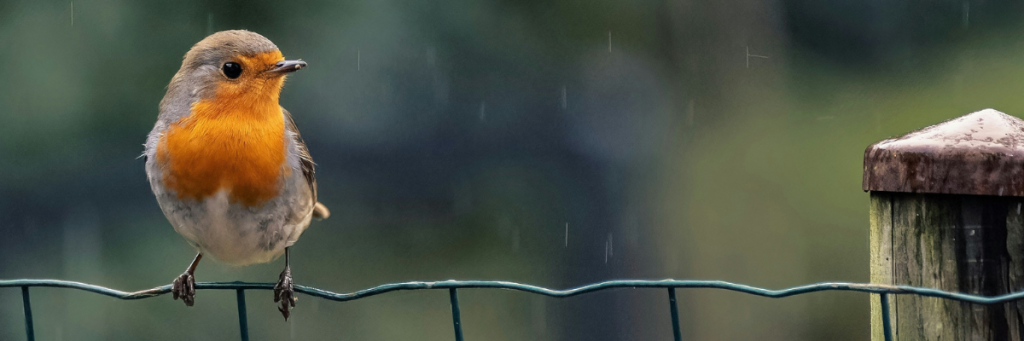
Glimmers can be really tiny. The other day a robin perched on the fence and looked at me through the window for a few moments. I’ve always found robins very endearing, and just for that moment it made me smile. Nature is very good for glimmers. Even driving along in the car, I’ve noticed sunbeams coming through the trees overhead, and it looked so beautiful that I deliberately took a breath to really notice it and enjoy it. We don’t need huge, life-changing things to bring us happiness. It can be as small as that.
But something happened earlier this year that took my husband and me completely by surprise.
My PDA child brought us breakfast in bed.
It was Weetabix with a rather generous helping of milk, and some orange juice cartons. They had put it together themselves, carried it all the way upstairs on a tray and brought it to us. Of course, we finished every last scrap and made sure they knew how much we appreciated it.
I must admit, I expected to go downstairs and find the milk still out, drips on the side, maybe Weetabix crumbs everywhere, which would have been absolutely fine because it really is the thought that counts. But the kitchen was spotless.
To people outside our lives, this might not seem like a big deal. Compared to other children of a similar age, they might think a bit of toast or a hot drink wouldn’t have been much of a stretch. But context matters. We’re talking about a child who has been in severe burnout. Who at certain points couldn’t dress themselves, who had skill regressions and stopped using cutlery, who has been to such dark places that something like this would once have felt completely out of reach.
I’ve always done everything for them, including things other people might raise an eyebrow at. We understood that their capacity fluctuates, and that they were doing their best with how overwhelming they were finding the world.
So to go from that to bringing us breakfast in bed, completely off their own back, just because they wanted to do something nice for us, was a huge glimmer. We were so touched.
I share this because so much of our focus has to go on the negatives, and not always through choice. The forms for DLA, for support at school, for therapy services, all ask us to describe our children at their worst. Add in the walking on eggshells and the firefighting around meltdowns, and it’s easy to get pulled into quite a dark place where the small things get harder and harder to see, whether that’s something your child manages that you didn’t think they would, or something that simply brings you a moment of peace or beauty.
So I’m trying to actively look for those moments and take a breath when they come. They remind me that where we are right now won’t necessarily last forever.
Both things can be true at once. My child won’t be able to do that every day, because capacity fluctuates. But I’m so grateful for the moments when they can.