
When going back to school doesn’t feel safe
For many of us, we’re coming to the end of half term. If, like me, you have a child who is registered at school and attending in some way, you might already be feeling that familiar dread creeping in – the build up to trying to get everyone back next week.
It’s complicated here. School holidays aren’t straightforward for us. Routine matters in our house, one of my children becomes dysregulated when that structure disappears. Holidays can bring frustration, irritability, a sense of being unanchored. At the same time, I can see so clearly how much rest is needed. How depleted they are – how close to burnout they’ve been. I worry about them pushing themselves too hard, even when they’re desperate to keep going.
So alongside the relief of a break sits the anxiety about returning. Will everything be the same? Will it run smoothly? Will it be manageable this time?
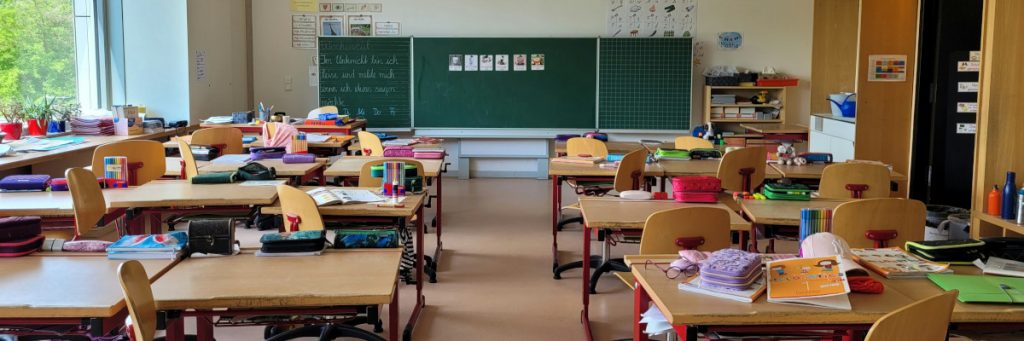
I have children in very different educational settings, and neither is easy. One is in specialist provision. One is still in mainstream, finding the environment increasingly overwhelming – the noise, the constant demands, the pace, the way learning is delivered. Not because the school isn’t trying – it’s a kind, caring school. But because it still isn’t built for their brain or their nervous system.
So the return to school after a break is always hard. The build up alone can be intense. Anxiety rises throughout the week, sleep becomes disrupted. Emotions sit closer to the surface – there’s more volatility, more snapping, more overwhelm over seemingly small things. And as the main caregiver, so much of that lands on me.
I know my children aren’t being rude or defiant or difficult. I know what’s happening. It’s anxiety building and building until everything becomes too much.
Then you get to the morning of school and suddenly every transition feels enormous. Getting dressed, eating breakfast, brushing teeth, putting shoes on, leaving the house – every step requires consideration, planning, no pressure. There is so much scaffolding required. You become their external nervous system. You are dressing them, helping with personal care, guiding them through every step because their body is stuck. Frozen. Unable to move forwards, even when they want to.
They know what’s coming. They know what school feels like. The noise, the unpredictability, the risk of being touched, the confusing social interactions, the work that feels overwhelming, the fear of getting it wrong – the fear of failing. All of that builds before you’ve even left the house.
And if you do manage to get them to school, people have no idea what it has taken to get there.
The co-regulation. The intensity. The emotional energy it takes to keep everything steady. You might be standing at the school gate with other parents wishing you good morning, asking if you had a nice break, while you’re barely clinging on by your fingernails.
I’ve lived this.
Years ago, one of my children would get to the school gate and then bolt. Just run. Parents would stand there stunned and staring, not knowing what to do. I can almost laugh now, but it wasn’t funny. I’ve had children clinging to me, screaming, begging me not to leave them. I’ll be honest – I haven’t always made the right choices. The pressure is immense – the expectations, the judgement. The fear of doing the wrong thing.
Now I know I won’t leave a child who is completely distraught. I would rather take them home. But that doesn’t remove the conflict. Because this is the reality of parenting a neurodivergent child who is not coping with that environment. They don’t feel safe. Everything in their body is screaming no. Their nervous system is on fire and yet you’re being told how important attendance is. How important education is. That they’ll be fine if you just leave. You’re standing there looking at your child unravel, while every instinct in you wants to protect them, to take them away from something that feels unsafe.
And layered on top of that is the internal weight we carry as parents. The guilt, self-doubt, the questions. Am I being too soft? Am I not pushing enough? Am I failing them and their education? There are mixed messages everywhere. Fear of attendance fines. Fear of judgement. Fear of blame. Fear of being misunderstood.
All while you’re trying to keep your child calm. Trying to listen, trying to help them feel seen and understood. Advocating for them, trying to explain, again and again, that this isn’t bad behaviour and it isn’t their fault. It is a huge amount to carry, and so much of it is invisible, because most of it happens at home.
This is the conflict parents like us live with – wanting to do the best thing for our child, while being told that the best thing looks very different to what our gut is telling us. I’ve been living this for years now. And the one thing I come back to, every time, is this.
Trust your gut.
It is hard. Even now, I still find myself unsure at times. But when everything feels loud and overwhelming, I try to strip it back. Forget the rules, forget the expectations. What does my child need right now to feel safe? What do I need right now to feel safe?
Because the most important thing is the trust between us. The connection. Knowing they are not alone in this.
However the next week pans out for you, I hope your child is returning to an environment where they are accommodated and supported. If that isn’t the case, I hope they are listened to. Being listened to builds trust, and without trust, school will never feel safe.
So however this looks for you – whether your child goes straight back or needs a slower transition – please know this. You are doing your best. Your child is doing their absolute best. You are not getting this wrong. It is okay if they can’t go straight back or if transitions take time. It is okay if you need to advocate.
And please, amongst all of this, be mindful of what it does to your own nervous system. Most parents of neurodivergent children are neurodivergent themselves. You deserve the same compassion you give your children. Slow things down where you can, nothing has to be perfect and not everything needs to be done. Show yourself some grace.
Sending you so much care and solidarity as we head into the return.